Crypto decisions, grounded in the evidence.
CoinReckon explains crypto taxes and compares exchanges, brokers and wallets using dated sources. See what the evidence supports, where it stops and which rules apply to your situation.

Before you choose a crypto service
Compare exchanges, brokers, hardware wallets and swap services using the same published criteria within each category. Choose US, New York or Global to see the applicable availability and rating limits.
Exchange reviews
Custody, access, costs and evidence coverage, with regional eligibility shown separately.
Crypto brokers
Compare withdrawal support, product range and disclosed terms.
Wallets
Hardware wallet ratings and separate software wallet profiles without scores.
Swap services
Read the availability and AML policies before considering a swap.
Fiat on-ramps
A factual profile of MoonPay; this category has no ranking yet.
Official warnings
Read sourced status pages or search the warning database. Absence from a list is no assurance of safety.
Try a calculator
Five estimators run in your browser, from one sale to a full 1099-DA row. Start with the one most people need.
Estimate the federal tax on one crypto sale
Tax year 2026 rates. Your figures stay in this browser. Nothing is sent or saved.
Estimate, not tax advice
All five calculators
- Capital gainsEstimate the federal tax on one crypto sale.
- Cost basis methodCompare FIFO, HIFO and specific ID on the same lots.
- 1099-DA reconciliationCheck a Form 1099-DA row against your own basis.
- Staking incomeEstimate income from staking rewards you received.
- Tax-loss harvestingSee what a harvested loss could offset.
Where readers usually start
Eight guides for the questions that come first: the form in your hand, a blank basis, and the letter you hoped not to get.
 Why Is My Cost Basis Blank or Zero on Form 1099-DA?See what a blank or zero cost basis row on Form 1099-DA may mean, how to check mixed rows, and which purchase records or issuer questions to pursue next.
 How to Read Form 1099-DA Boxes and CodesUse an annotated Form 1099-DA example to identify proceeds, basis, and codes, then compare which fields can appear for 2025 and 2026 crypto sales.
 No Form 1099-DA? Check Unreported Crypto ActivityMap self-custody, DEX, mining, and staking activity to possible information forms and the tax questions you still need to resolve without a 1099-DA.
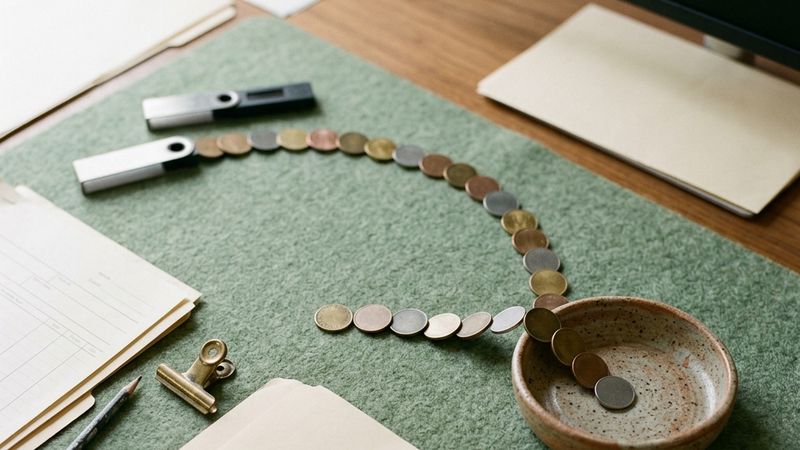 Form 1040 Digital Asset Question: When to Check YesUse a tax-year-specific action checklist to decide how to answer the Form 1040 digital asset question for holding, buying, transfers, rewards, and gifts.
 How to Report Crypto on Form 8949 and Schedule DMatch broker proceeds and your records, check the right Form 8949 category, and trace mixed transaction totals into Schedule D with an auditable worksheet.
 When Are Staking Rewards Taxable? Check the Date and RecordsCheck when staking rewards become income, which value to save, what an exchange form may show, and where liquid staking and the Jarrett case remain unsettled.
 Got a CP2000 for Crypto? How to Check It and RespondGot a CP2000 for crypto? Compare the proposed amount with your records, choose an agreement path, and check the response date on your notice.
 Does the Wash Sale Rule Apply to Crypto?Check wash sale rules for directly held crypto and fund shares, with a dated split between enacted law, proposals, and unresolved harvesting questions.
The tax section
The first section of the site covers US federal crypto taxes, Form 1099-DA and selected state rules. Crypto taxes is the starting page; it maps the common situations and sends you to the page that handles yours.

Form 1099-DA guides
Read the form, fix a missing cost basis, file Form 8949, handle staking income and IRS letters.

Exchange tax forms
What each exchange or payment app says it sends, and what to check it against.

Crypto tax software
Programs compared on one published set of criteria.

Calculators
Estimates you can run in your browser before you file. Nothing you type leaves it.
Who writes it

The tax section is written and checked by Dana Kessler. She kept books for small businesses for nine years and has reconciled her own crypto records every season since 2017. She is not a CPA or an enrolled agent, and the site does not give personal tax advice.
Federal and state rules cite their applicable primary sources and tax years, with evidence limits shown. How that works is on the methodology and editorial policy pages. There are no affiliate relationships at launch; the disclosures page explains what would change if that ever does.